Island Hob: The Evolution Of Island Hob


Picking an Island Hob Extractor
Venting hobs get rid of the requirement for an overhead hood and are a terrific choice for open-plan cooking areas. They're simple to clean and produce a sleek look.
Depending upon the model, the air might be ducted to an external wall or recirculated through charcoal filters.
Island cooker hoods are available in lots of designs, from industrial chimney looks to copper-finished pendant light styles. They can likewise make your kitchen's centerpiece and work well with minimalist aesthetics.
Selecting a hob
The type of hob you choose will impact the total look of your kitchen. Linear hobs, for instance, are an excellent choice if you don't want to need to set up an extractor as they remove the need for a hood and provide a sleeker visual. When selecting your hob, you'll require to think about size and configuration, cooking zones, extraction power, and other features.
If you're preparing on setting up a gas hob, you'll require to ensure that it's compliant with your domestic gas supply. Gas guidelines state a distance of at least 30cm on either side of the hob for security and to prevent tripping or fire. Similarly, you'll need to make sure that your island has adequate clearance for a gas cooker hood or downdraft extractor, as these will need to be set up below your worktop.
Whether you're intending on external venting or recirculation, there are numerous options to suit your kitchen and lifestyle. Both types of extraction offer energy efficiency and great ventilation, however the former requires a bigger and longer pipe run. On the other hand, the latter deal with a duct, which is normally constructed into your (incorrect) ceiling or island plinth.
Venting hobs, or cooker hoods with built-in extractors, are another option to consider for your island. They're ending up being increasingly popular as they integrate functionality with a smooth, sophisticated design that does not remove from the beauty of your kitchen. These work by drawing the air down into a grease filter and after that either venting it outside or recirculating it back into the kitchen, depending on the design you choose.
Another choice is to install a downdraft extractor that's built into your worktop area and rises up straight beside the hob when it's in use. This provides a minimalist aesthetic and is perfect for homes with children as it keeps the hob surface low, preventing them from reaching precariously hot pan manages. Downdraft extractors are likewise quieter than overhead extractors and can be coupled with Novy's series of stunning lighting. These can be found in different colours and can be dimmed to create the best ambiance for your kitchen.
Selecting a hood
There are a few aspects to take into account when picking an extractor for your kitchen island. To start with, you require to decide whether you desire it to vent out or recirculate, and this can narrow down your options quickly. Second of all, you need to think about whether you want it to be a captivating design function or something that is less invasive and blends into your space. There are a number of designer hoods available that integrate both function and type, like the Faber Cloud, Phantom or Pureline Frame which are all lovely declaration pieces that will change your cooking area.
If you're looking for something discreet, there are also a number of wall-mounted hoods that use a sleek and contemporary surface. These are a fantastic option for those who are on a tighter budget, however don't compromise on performance as there are still a lot of effective models to pick from. The option actually depends on your style and extraction requirements, but it's worth bearing in mind that you will lose some extraction capacity with any ducting system, so it's important to have actually accurate measurements done before making any purchases.
You can also opt for a downdraft extractor which lives below your hob, dropping down when in use. These are an excellent choice if your kitchen isn't appropriate for a ventilation hood, or you don't have the area to set up one. The main downside of these is that they aren't as effective at removing steam and fumes from the air, and can leave your kitchen with an undesirable smell after cooking.
There are likewise a variety of ceiling hoods that are perfectly integrated into the ceiling, making them entirely invisible when they're not in use. These are a fantastic alternative for those that desire to keep their kitchen as uncluttered as possible. Novy's Pureline variety of hoods are an ideal example, and they come in a variety of surfaces to match your hob and kitchen decoration. They're also understood for their peaceful operation, so you will not have to stress over a noisy extractor ruining your kitchen ambience.
Installing a hob and hood
A kitchen ventilation system is important to eliminate smoke, vapours and humidity and is a crucial factor to consider when installing a hob on an island. You'll require a cooker hood, which will either extract the smells and steam (ducted extraction) or recirculate the air (recirculation).
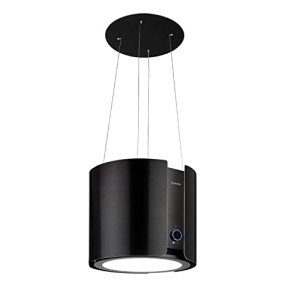
The most effective service is an island chimney style hood. This will sit above the hob and produce a chimney effect that can be vented straight outside or ducted back into the kitchen (if you have area for it). It's easy to install, does not need any extra ventilation ducting above the hob, looks sleek and is readily available in a range of stylish styles.
Nevertheless, chimney hoods can be bulky and may look dated in an open strategy design, particularly with modern-day designs of kitchen where house owners are aiming to keep things clean and minimal. Another choice is a downdraft extractor hood which sits below your hob and rises up at the back when in use, drawing the odours and steam downwards and either venting out or recirculating the air back into the kitchen. However, these can be pricey to run and will need an eliminated at the back of your worktop which might add to the overall expense.
If you do not wish to pay for a devoted extractor, another popular choice is a self-venting hob and hood that sits together as one piece and uses an internal fan to extract the fumes. It's a relatively brand-new concept which is becoming progressively popular and provides an aesthetic, slimline option to a standard extractor hood. However, you need to ensure your hob is at least 60cm deep in order for it to fit as the real estate will take up some of the area.
If you're setting up a hob on an island without any base cabinets to fit the extractor into it is possible to get a recirculating hood which will draw the fumes down and out of the room, but this can be noisy and does not remove all of the smells and vapours. If you're fortunate adequate to have cabinets on an external wall or to have a space underneath your island it's much easier to fit a vented hood as there'll be a duct running right out of the wall which can then be directed into a spigot in the ceiling.
Selecting an extractor
A quality extractor hood is a needs to in any kitchen. With a wide selection to pick from, there is something to fit every style of cooking. From elegantly hidden ceiling models to smart, minimalist hoods that sit on top of the hob, Novy deals a range of designs that combine performance with design.
An island hob with incorporated extraction is a space-saving alternative that removes the requirement for a different extractor fan. They work by recording steam, smoke and cooking odours at the source, making them perfect for open strategy cooking areas. In addition, their streamlined design incorporates perfectly with your kitchen's visual.
When choosing an island hob with extraction, look for a model with high extraction power to guarantee that it effectively records cooking smells. Also, examine the minimum distance in between the hood and your hob, as this will vary depending on the type of extractor hood you pick. This will be shown in the hood's user manual.
You can also choose an extractor hob that features recirculation rather than external venting. This is a fantastic choice for open strategy kitchen areas, as it does not require ducting to the outside. Nevertheless, it may not be as reliable as extraction to the outside.
If you're intending on setting up a venting hob in your kitchen, ensure to hire a professional installer. They'll be able to ensure that the ventilation system is correctly installed and fulfills building control policies. In addition, they can supply assistance on how to best integrate the ventilation system into your kitchen design.
Lastly, consider the noise level of your extractor hob. Some designs can be rather noisy, particularly at higher extraction speeds. Choose island cooker hoods uk ovensandhobs.uk with variable fan speeds to minimize the noise level while preserving effective operation.
If you're trying to find an elegant, modern island hob, consider our Novy Easy model. With an extractor subtly concealed in the grid, this hood blends in with your kitchen and has a basic yet practical design. In addition, it has a variety of practical cooking functions, such as automatic pan detection and a grill function.